Skip to content

Technology

Tenable / Nessus

Subnet uses Tenable Nessus to find the technical weaknesses in South Australian organisations’ systems, and turns the results into a prioritised plan people can act on.

Tenable logo

Vulnerability assessment

flaws, missing patches and misconfigurations

Scored and prioritised

so the important fixes come first

Run and interpreted by Subnet

as a one-off assessment or on a regular cycle

WHAT TENABLE OFFERS

Find the weaknesses before someone else does

Nessus is Tenable’s vulnerability scanner, and the engine behind its wider exposure management platform. These are the capabilities Subnet works with most.

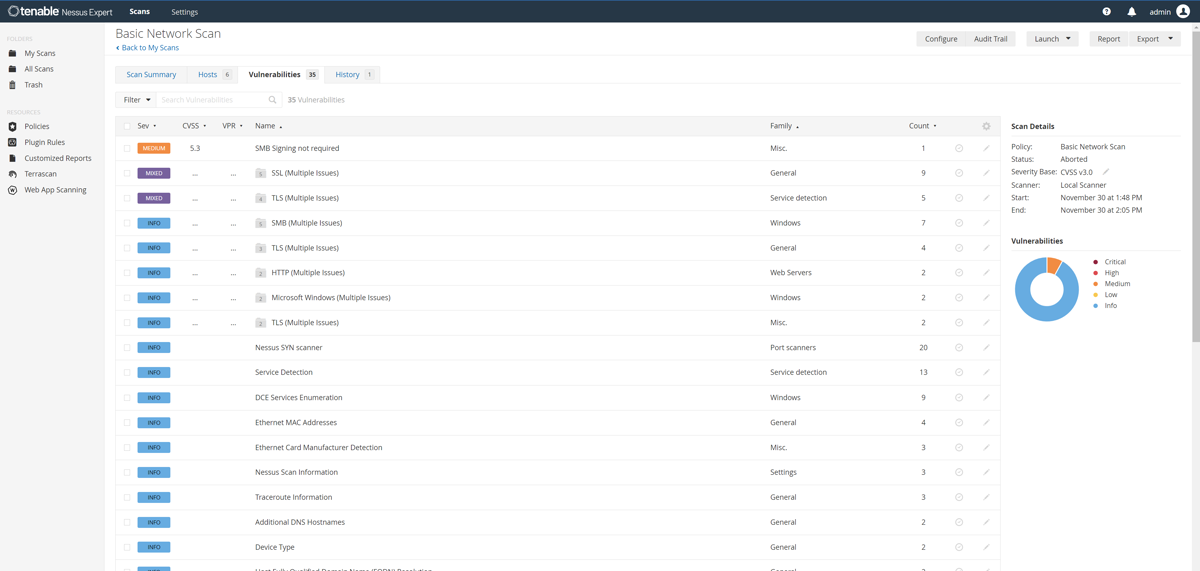
Nessus network vulnerability scan results

Scanning

Vulnerability assessment

Nessus scans operating systems, network devices and applications for known flaws, missing patches and insecure settings, using a library of checks that Tenable updates continually.

What it solves

  • Not knowing which systems are missing critical patches
  • Old or forgotten devices still on the network
  • Proving patching is working, not just scheduled

How Subnet works with it

We agree the scope and timing with you, run authenticated scans where possible for accurate results, and remove false positives before you see the report.

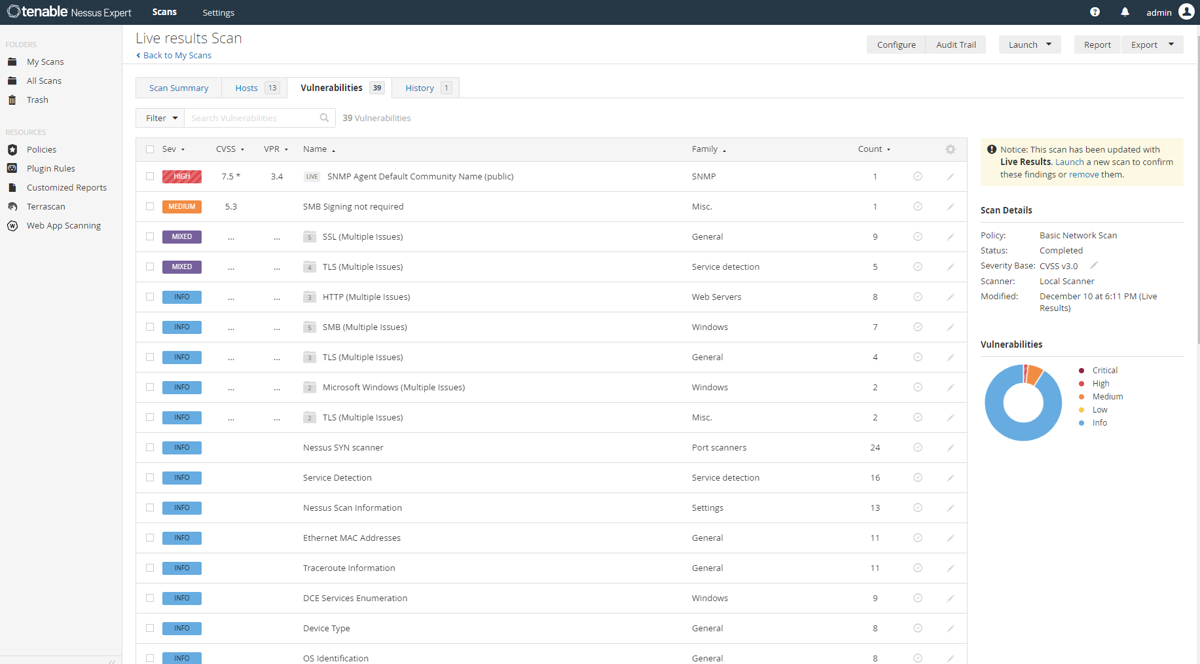
Nessus severity and vulnerability priority scores

Prioritising

Risk scoring

Each finding is scored using industry measures of severity and of how likely it is to be exploited, so a long list becomes a short one.

What it solves

  • Reports with hundreds of findings and no order
  • Effort spent on low-risk items while serious ones wait
  • Explaining priorities to management

How Subnet works with it

We translate scores into a plan: what to fix this week, this month and this quarter, who owns each item and what it will take.

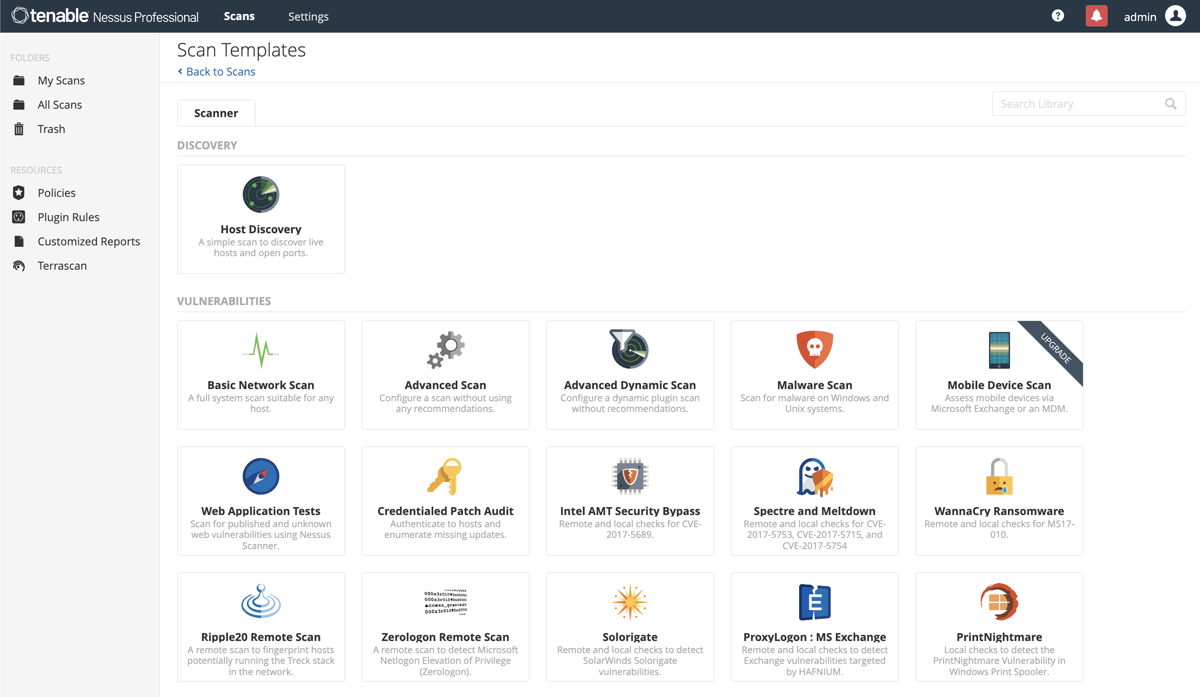
Nessus scan and audit templates

Configuration

Compliance and configuration audits

Nessus can check systems against configuration standards and security baselines, showing where settings have drifted from what was agreed.

What it solves

  • Servers and devices built to different standards
  • Evidence for audits, insurers and boards
  • Checking a new system before it goes live

How Subnet works with it

We run audits against the baseline that suits you and report the gaps in plain language alongside the technical detail.

Outside in

External and web application scans

Nessus also scans what is visible from the internet, including websites and web applications, to show what an outsider can see.

What it solves

  • Services exposed to the internet that nobody remembers opening
  • Web applications with known weaknesses
  • Checking the result of a firewall or hosting change

How Subnet works with it

We scan from outside your network as well as inside, and compare the two so exposed services are closed or protected.

WORK WITH SUBNET

How Subnet works with Tenable

1. Assess

We agree what is in scope, when scanning can run and who needs to know.

2. Design

Scan types, credentials and reporting format are set so results are accurate and usable.

3. Deploy

Scans are run, checked and verified before reporting.

4. Operate

Findings feed into patching and remediation work. Nessus is also one of the technologies behind Subnet’s managed security service.

5. Review

Repeat scans show whether fixes worked and what has appeared since.

Working with Subnet

Agree the assessment boundaries

An assessment should define the assets to be examined, permitted access, scan timing and exclusions. Sensitive or critical systems may need additional care. Credentialed and uncredentialed assessments can provide different visibility, so the available access and any resulting limitations should be recorded.

Subnet can help scope the review and translate its findings into practical remediation priorities. Implementation work, responsibility for changes and any follow-up validation should be agreed, rather than assumed to be included with a scan report.

Working with Subnet

From review to ongoing improvement

Vulnerability work can sit within a standalone cybersecurity assessment and remediation project or an agreed +Security scope. A useful programme defines who owns each action, when it should be reviewed and how completed changes will be checked.

Technology changes and new vulnerabilities emerge. An assessment describes what was examined at a particular time; it is not a permanent declaration that the organisation is secure.

Plan your next step

Questions to resolve together

Which systems and locations should the assessment cover?

What access is available, and what cannot be inspected?

Who approves and implements remediation?

Is a one-time review or an ongoing assessment cycle required?

YOUR QUESTIONS

A LITTLE MORE CLARITY.

Who provides vulnerability scanning and assessments in Adelaide?

Subnet does. We are based in Forestville, Adelaide, and run vulnerability assessments for South Australian organisations using Tenable Nessus. We agree the scope, run and verify the scans, and turn the results into a prioritised plan with owners and timeframes. It can be a one-off assessment or a regular cycle.

How often should vulnerability scans be run?

Regularly, and after any significant change. New vulnerabilities are published every day, so a scan is only a snapshot. Many organisations scan internet-facing systems weekly or fortnightly and internal systems at least monthly, and the Essential Eight sets tighter expectations at higher maturity levels. Subnet agrees a schedule that matches your risk and your patching cycle.

Is vulnerability scanning the same as penetration testing?

No. They are different activities with different methods and objectives. Confirm which is required and specify the scope accordingly.

Does a clear scan prove compliance?

No. Findings can inform control improvement, but a scan is not a certification or a guarantee of compliance.

What is the difference between Nessus Professional and Nessus Expert?

Tenable’s product pages list vulnerability assessment, configuration and compliance audits and configurable reporting for both editions. Expert adds web application scanning and external attack surface scanning, which Tenable’s licensing guide says Professional does not include. Tenable Vulnerability Management is a separate cloud product, and Tenable describes Nessus as part of its wider platform. The edition should follow the scope: which internal systems, web applications or internet-facing assets need assessing, and who will use the results.

What access does a credentialed scan need, and why does it matter?

A credentialed scan signs in to a system so Nessus can read installed software and local settings instead of inferring them from outside. Tenable’s documentation says what it can see depends on the account used: on Linux, patch-level checks can work with an unprivileged account but fuller checks need root, and on Windows it calls for a local administrator account. Agree which accounts will be used, who creates and removes them, when they will be active and how failed logins will be reported, because a scan with failed logins can look cleaner than the environment really is.

Can a vulnerability scan disrupt our systems?

Active scanning sends traffic to the systems it assesses, so sensitive devices need care. Tenable’s documentation says Nessus’s fragile-device options for network printers, NetWare hosts and operational technology devices are off by default, and warns against enabling full operational technology scanning in high-traffic production environments. Scan settings also affect how long a scan takes. Agree the scan window, exclusions, any devices needing a gentler approach and who can be contacted if something behaves unexpectedly.

How does Nessus rank vulnerabilities, and is that enough to set priorities?

Nessus reports CVSS-based severity, and it also provides Tenable’s Vulnerability Priority Rating (VPR), which estimates how likely a vulnerability is to be exploited given current threat activity. Tenable’s documentation says VPR is not tailored to your organisation, is updated only when you rescan, and is not given to findings without a CVE. Scores are a starting point. The ranking still needs the business importance of each system, whether it is exposed and who can apply the change.

Can Nessus check settings against benchmarks such as CIS?

Tenable states that Nessus can audit configuration against CIS benchmarks and other best practices, in addition to looking for missing patches and software flaws. Audit results show how systems compare with the chosen benchmark. They do not make the organisation compliant with a framework. Decide which benchmark is relevant, which systems it applies to and who will approve exceptions before the audit is run.

How is Nessus licensed, and does the cost depend on how many systems we scan?

Tenable’s FAQ describes Nessus Professional as an annual subscription that allows unlimited IP addresses, while Nessus Expert includes a set number of web applications and external attack surface domains with more available as add-ons. Tenable Vulnerability Management is licensed per asset. Tenable changes its editions and prices, so check the current terms. Who holds the licence and who renews it should be agreed in the scope rather than assumed.

BEFORE WE TALK

A useful starting point.

You do not need a finished technical brief. Start with the outcome, what you know today and the questions you need answered.

  • What capability are you looking for?
  • How would it work with your current environment?
  • Who will own licensing, implementation and ongoing operation?
Discuss these priorities

LET’S TALK

WHAT WOULD YOU LIKE TO DO NEXT?

Tell us about your organisation and what you need. Start a conversation, discuss a project or request a meeting.

Prefer to talk?(08) 7127 9400Already a customer and need help? Go to Support.
PROPOSED FORM · PRIVATE PREVIEW ONLY

Preview only. Nothing is sent, stored or booked.

A live version will need final routing, consent and privacy review. Subnet privacy policy

Contact us