Skip to content

Technology

APC by Schneider Electric

Subnet supplies, installs and maintains APC power protection for South Australian organisations, from a single UPS in a comms cupboard to racks and power for a full server room.

APC logo

Since 2017

delivering APC projects

70+

APC projects and orders completed

From one UPS

to a complete data centre fit-out

WHAT APC OFFERS

Power protection for the equipment everything else relies on

APC, part of Schneider Electric, makes uninterruptible power supplies, racks and the software that monitors them. These are the parts of the range Subnet works with most.

UPS

APC Smart-UPS

Smart-UPS is APC’s range for servers, storage and network equipment. It supplies clean power, carries the load through short outages and, with a network card, shuts servers and virtual hosts down in an orderly way before the battery runs out.

What it solves

  • Servers and switches dropping during brief power cuts
  • Data corruption from hard shutdowns
  • No warning when a UPS battery has reached end of life

How Subnet works with it

We size the UPS against the real load and the runtime you need, install it with shutdown software configured and tested, and replace batteries or whole units when they are due.

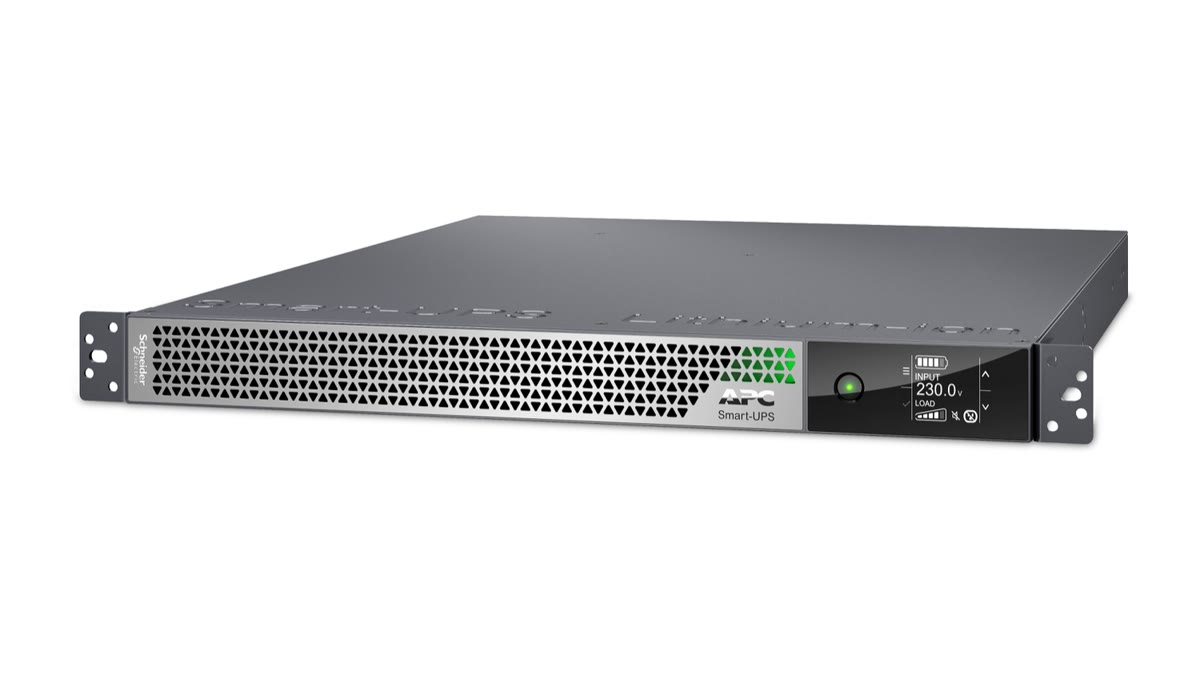
APC Smart-UPS Ultra rack-mounted power supply

Lithium-ion

Smart-UPS Lithium-ion and Ultra

APC’s lithium-ion models are smaller and lighter than lead-acid units of the same capacity. APC states the batteries last about three times as long, so they often do not need replacing during the life of the UPS. The Ultra models fit significant capacity into one or two rack units.

What it solves

  • Battery replacements every few years
  • Limited rack space or weight limits
  • Sites that are hard to get to for maintenance

How Subnet works with it

We compare whole-of-life cost against a lead-acid unit so the higher purchase price is weighed against batteries and site visits saved. Lithium-ion suits remote sites and theatres, depots and branch offices without on-site IT.

Monitoring

EcoStruxure IT

EcoStruxure IT is Schneider Electric’s monitoring platform. Connected UPS units report their health, load and battery condition to one view across all sites, with alerts intended to catch a failing battery before it is needed.

What it solves

  • Finding out a UPS has failed only when the power does
  • No single view of power across sites
  • Unknown remaining battery life

How Subnet works with it

We connect new and existing UPS units to monitoring and, under Managed Services, act on the alerts.

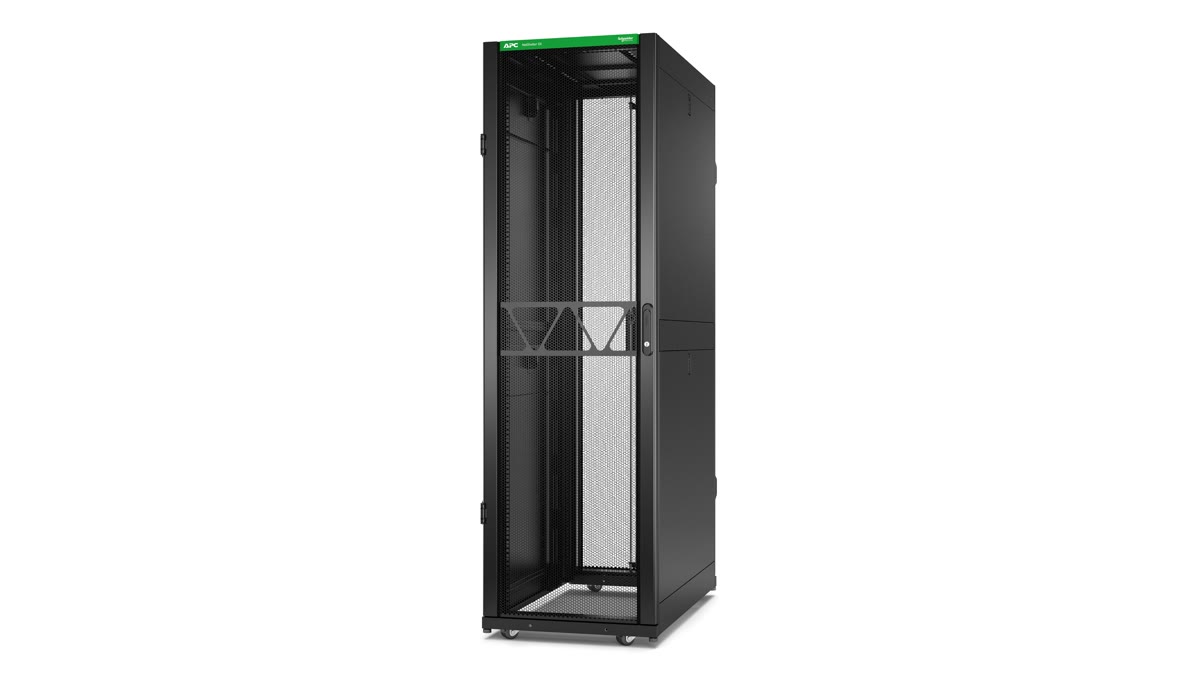
APC NetShelter SX server rack

Racks and rooms

Racks, power distribution and server rooms

Beyond the UPS, APC supplies the racks, power distribution and cooling that make up a server room or small data centre, designed to work together.

What it solves

  • A server room that has grown without a plan
  • Overloaded power boards and circuits
  • A new building or relocation

How Subnet works with it

We design and deliver the room as a whole with the server and network refresh: racks, power, UPS and layout. We have delivered a complete APC data centre fit-out as a single project.

WORK WITH SUBNET

How Subnet works with APC

1. Assess

We measure the load on each rack and check the age and condition of existing UPS units and batteries.

2. Design and size

Capacity, runtime and battery type are chosen against what must stay up and for how long.

3. Deploy

Installation with electrical requirements confirmed, shutdown software tested and old units removed.

4. Manage

Under Managed Services, we monitor UPS health and battery condition and respond to alerts.

5. Renew and review

We track battery and unit age and plan replacements before they fail.

WORK WE HAVE COMPLETED

APC projects by sector

Entertainment and venues

A complete APC data centre fit-out delivered as one project.

Education

UPS refreshes across campuses, lithium-ion units for comms rooms and power protection for a school theatre.

Government

APC supply under tender, and lithium-ion replacements for ageing units.

Food and beverage production

Rack and floor-standing UPS units protecting production systems.

Health

UPS units supplied for a health provider.

Construction

UPS units supplied with new servers for head and branch offices.

Explore APC by Schneider Electric

Power protection for connected systems

Review APC power-protection and infrastructure-management options against the systems, sites and operating requirements your organisation relies on.

Smart-UPS Ultra

An uninterruptible power supply option. Confirm load, runtime, physical space and installation requirements for the selected model.

Smart-UPS

A wide range of intelligent and efficient solutions for network power protection.

Micro Data Centre

An integrated, low-profile micro data centre for edge applications.

EcoStructure IT

An innovative solution for monitoring, managing and securing critical IT infrastructure.

EcoCare Membership

Digital and on-site services to help manage distributed IT.

Resources and related technology

How to improve resiliency at the edge

Read APC’s whitepaper on assessing resilience at the edge. Use it to inform a review of the power, cooling and network dependencies of your business applications.

Download Now

YOUR QUESTIONS

A LITTLE MORE CLARITY.

Who supplies, installs and maintains APC UPS systems in Adelaide?

Subnet does. We are based in Forestville, Adelaide, and have supplied and installed APC power protection for South Australian organisations since 2017, across more than 70 projects and orders. That ranges from a single Smart-UPS in a comms cupboard to racks and power for a complete server room. We size the unit, install and test it, and replace batteries or whole units when they are due.

How often do UPS batteries need replacing?

It depends on the battery type. Sealed lead-acid batteries are generally planned for replacement every three to five years, sooner in a warm room or after frequent outages. APC states that the lithium-ion batteries in its Smart-UPS range last about three times as long, so they often outlast the UPS. Either way, the unit should report battery health so replacement is planned and not discovered during a power cut.

Can a UPS battery be replaced, or do we need a new UPS?

In most cases the battery can be replaced. APC Smart-UPS units use replaceable battery cartridges, and the UPS itself normally outlasts its first battery. A new unit makes more sense when the model has reached end of life, the load has outgrown it, or the cost of a battery is close to that of a current model with a longer-life lithium-ion battery. Subnet checks the model, age and load before recommending either.

Do we still need a UPS if we have a generator?

Yes. A generator takes time to start, and a UPS carries the equipment through that gap so servers and network devices do not drop. It also smooths the power the generator supplies, which can be less stable than mains. The two do different jobs: the UPS covers seconds to minutes and protects against dips and surges, and the generator covers long outages.

What is the difference between line-interactive and double-conversion online UPS designs?

Schneider Electric describes two basic designs for UPS systems below 5000VA. A line-interactive unit conditions incoming power and switches to battery only when the supply falls outside safe limits, so it has a short transfer time. A double-conversion online unit runs connected equipment continuously from its inverter, which isolates it from grid fluctuations and has no transfer time. Schneider Electric suggests online designs for servers and critical infrastructure, and for loads with redundant power supplies or an automatic transfer switch. Smart-UPS models come in both designs, so the choice should follow what is being protected and the quality of power at the site.

How do we work out what size of UPS we need?

Start by listing the equipment to be protected and its power draw in watts, then check the UPS rating in both watts and VA, because VA is usually the higher figure. Schneider Electric advises leaving headroom for peaks and future growth and aiming for a connected load of around 80% of the unit's capacity, noting that running near the limit reduces efficiency, adds heat and shortens runtime. Its guidance also covers the input and outlet types, voltage and whether the load is single-phase or three-phase. Measured loads and a growth allowance should go into the scope rather than nameplate estimates.

How long will a UPS keep our equipment running in an outage?

It depends on the battery capacity, the load and the model, so there is no single figure. Schneider Electric's own example shows the same unit lasting roughly 9.5 minutes at 80% load and 6.5 minutes at full load, and directs buyers to each unit's runtime graph. Adding equipment shortens runtime. Extended-runtime options exist, and APC describes Smart-UPS Ultra as having scalable runtime options. Decide whether the aim is a few minutes for a clean, orderly shutdown or longer operation, and what must keep running. Management software and network cards can be used to shut systems down safely during an extended outage.

What does lithium-ion change in a Smart-UPS, and does the battery still need planning?

APC says Smart-UPS Ultra uses lithium-ion batteries, and its Australian product listing describes them as lasting three times as long as VRLA batteries and not needing replacement during the UPS's life. A separate APC statement puts lead-acid life at roughly three to five years and lithium-ion at up to ten, with a five-year warranty on the UPS and internal batteries for the Ultra models checked. These are vendor claims, and real battery life depends on the model, temperature and use. Warranty terms, ownership of replacement and a replacement date for each site are worth recording in the scope.

Which equipment should be on UPS power?

Typically the equipment that must keep running or shut down cleanly: servers, storage, network switches, firewalls and the internet connection that lets people reach them. Schneider Electric advises protecting essential devices only, because every added device shortens runtime, and notes that surge-only outlets can protect secondary equipment without drawing battery power. APC's edge resilience whitepaper treats power, cooling and network as dependencies of business applications. A short dependency list, covering what must stay up, what needs only a controlled shutdown and what is not protected, is a useful input to sizing.

What happens when a UPS model reaches end of life?

APC product listings carry lifecycle dates. For example, one Smart-UPS Ultra model page shows a discontinuation date and an end-of-standard-service date. Batteries, network cards and service options for a given unit can therefore change over time. For a site with several UPS units, a register of models, installation dates, warranty end dates and planned replacement dates avoids surprises. Whether to replace a unit or only its battery is a cost and risk decision for each site and model.

BEFORE WE TALK

A useful starting point.

You do not need a finished technical brief. Start with the outcome, what you know today and the questions you need answered.

  • What capability are you looking for?
  • How would it work with your current environment?
  • Who will own licensing, implementation and ongoing operation?
Discuss these priorities

LET’S TALK

WHAT WOULD YOU LIKE TO DO NEXT?

Tell us about your organisation and what you need. Start a conversation, discuss a project or request a meeting.

Prefer to talk?(08) 7127 9400Already a customer and need help? Go to Support.
PROPOSED FORM · PRIVATE PREVIEW ONLY

Preview only. Nothing is sent, stored or booked.

A live version will need final routing, consent and privacy review. Subnet privacy policy

Contact us