Who supplies and installs HPE servers and Aruba networks in Adelaide?
Subnet does. We are based in Forestville, Adelaide, and have worked with HP and HPE infrastructure since 2008. That includes more than 80 HPE server and storage projects and renewals and more than 85 HPE Aruba Networking projects for South Australian schools, health and aged care providers, manufacturers and government bodies. We design, install and migrate, then keep the equipment supported through its working life.
Should we replace our on-premises servers or move to the cloud?
It depends on the workload, and most organisations end up with a mix. Predictable workloads, sensitive data and systems that need to sit close to equipment or people often stay on site. Variable demand, remote teams and anything you need to recover quickly from elsewhere suit the cloud. Subnet assesses each system before a refresh so new HPE hardware is sized only for what should stay, with the rest costed for Azure.
What is the difference between HPE Alletra, MSA and SimpliVity?
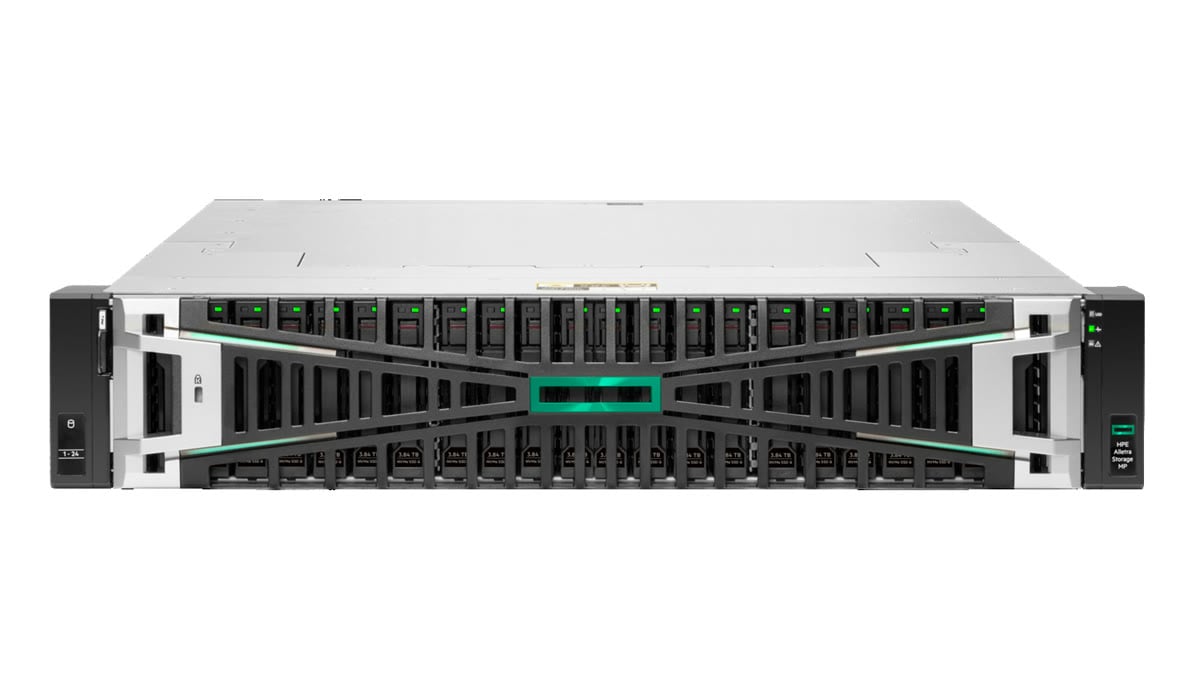
They suit different sizes and designs. HPE Alletra is shared, high-availability storage that sits behind a cluster of servers. HPE MSA is entry-level shared storage for smaller sites. HPE SimpliVity is hyperconverged: servers and storage in one system, which HPE positions for edge sites, virtual desktops and general virtualisation. The right choice depends on how many workloads you run, how much downtime you can accept and how you expect to grow.
When should HPE servers be replaced?
Plan the replacement around warranty and support, not age alone. Once vendor support ends, a hardware fault can mean a long outage and firmware fixes stop. Many organisations plan a refresh at around five years, and extend warranty for a year or two when a refresh is not yet justified. A review should also ask which workloads still belong on site and which are better moved to the cloud before new hardware is sized.
Can the warranty on older HPE servers and storage be extended?
Usually, yes. HPE support can be renewed beyond the original warranty for as long as the model remains within its support life, which covers ProLiant servers, Alletra, MSA and SimpliVity systems. It is a sensible bridge when a refresh is a year or two away. Subnet tracks support end dates and quotes extensions before cover lapses, and will tell you when a model is close to the point where extending no longer makes sense.
What does HPE Aruba Networking Central manage, and does it have to run in the cloud?
HPE describes Aruba Central as a cloud-managed platform for wired and wireless networks, with SD-WAN and security features listed as well. HPE says customers can choose cloud-delivered, on-premises, as-a-service or virtual private cloud deployment. Which model fits depends on where management data may sit, the size of the estate and who will operate it. Confirm the deployment model, the devices to be managed and the operating responsibilities in the project scope.
Do Aruba devices need a subscription to stay up to date?
HPE states that software updates for its networking devices require an Aruba Central subscription, and that device subscriptions can be added manually or assigned automatically during setup, which begins by activating the service in HPE GreenLake. HPE’s page gives no prices or tier details, so confirm which subscription each device needs, its term and who holds the account. Agree in the scope who buys, renews and tracks subscriptions so that updates do not lapse unnoticed.
What should we check before choosing HPE GreenLake?
HPE describes GreenLake as a hybrid cloud offering with a common control plane, and says infrastructure can be consumed as pay-per-use, subscription or traditional purchase, with the cloud experience delivered in data centres, colocation sites and edge locations. Pay-per-use may be subject to minimums or reserve capacity. Review the specific offering against your workloads, data-location needs and operating model, and confirm supported infrastructure, included management, commercial terms and which party is responsible for each task.
What is HPE Morpheus VM Essentials, and what can it manage?
HPE describes VM Essentials as the virtualisation-focused version of HPE Morpheus Software. It uses HVM, a KVM-based hypervisor, and can manage VMware ESXi and HVM side by side from one console. HPE says containers and Kubernetes are not included and that some automation and multi-tenancy features sit in higher editions. Compare the edition and features with your workloads, and confirm hardware and storage compatibility, which HPE’s page does not specify.
How are HPE ProLiant servers managed remotely?
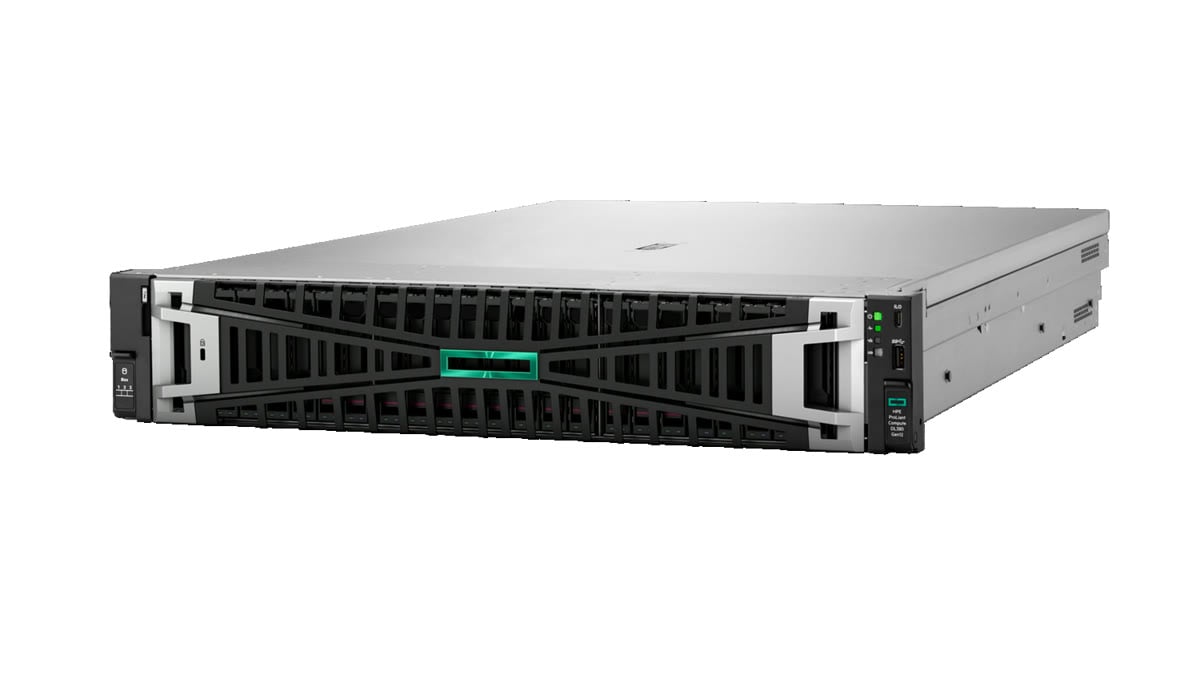
HPE ProLiant servers include the HPE iLO management controller, and the iLO generation varies by server model. HPE also lists Compute Ops Management, a cloud-based service for managing distributed server estates, against most current models. HPE’s page gives no pricing or licensing detail for these tools, so confirm what is included with each server, which tools your team will use and who monitors alerts and applies firmware updates.