Who provides cyber security services for organisations in Adelaide?
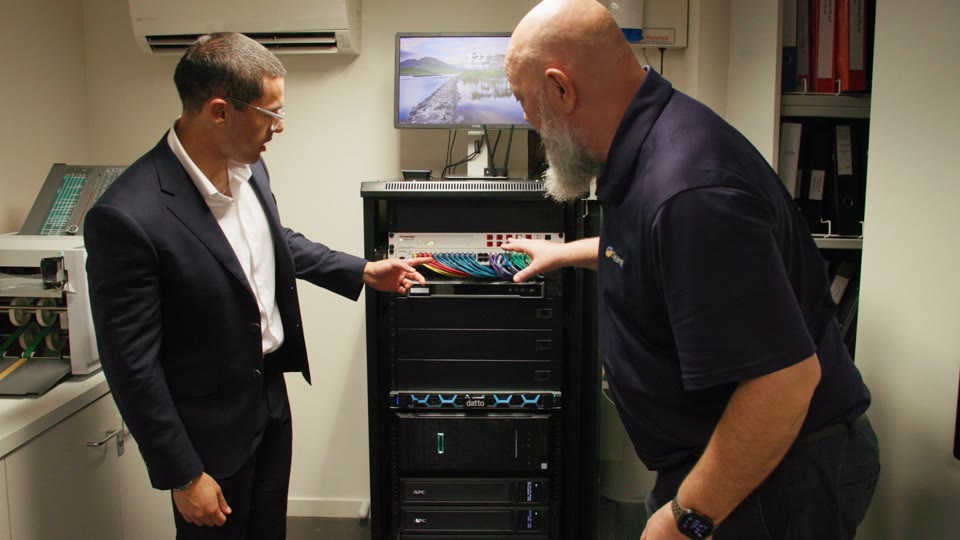
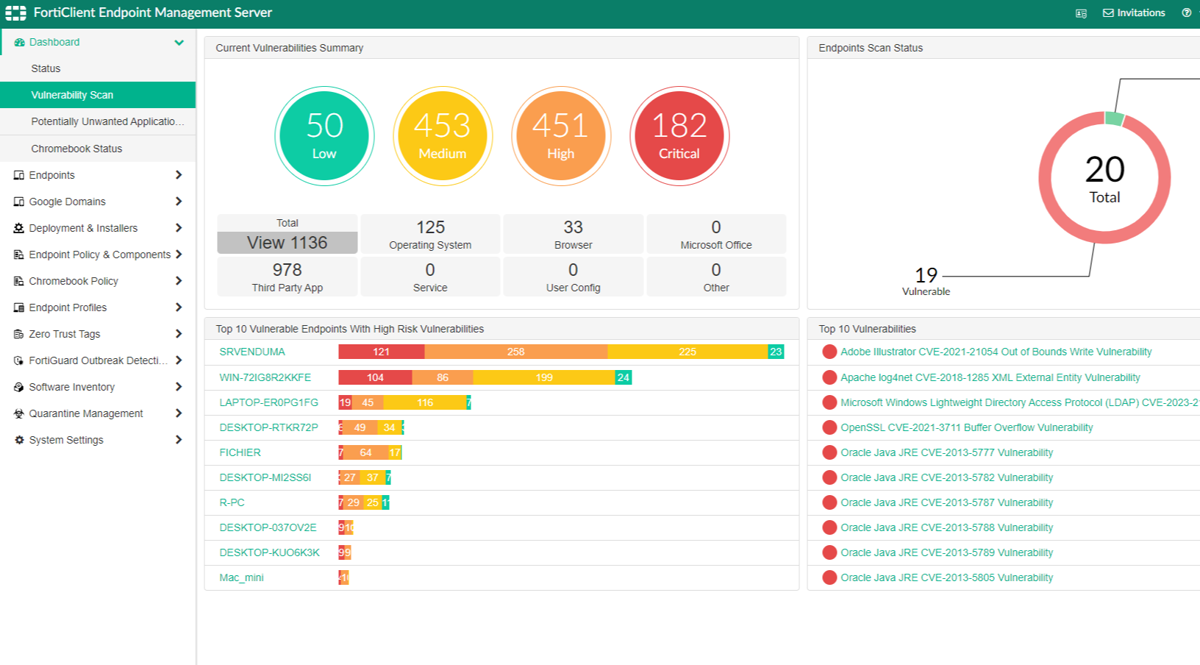
Subnet does. We are based in Forestville, Adelaide, and assess, improve and manage cyber security for South Australian organisations. One team covers firewalls, endpoint protection, Microsoft 365 security and ongoing monitoring, so findings from an assessment turn into changes that are made and checked.
What is the ASD Essential Eight?
The Essential Eight is a set of eight mitigation strategies published by the Australian Signals Directorate, covering areas such as patching, multi-factor authentication, application control and backups. It has maturity levels, so an organisation can measure where it stands and plan improvements. Subnet assesses against it and prioritises the gaps.
How much does a cyber security assessment cost?
Cost depends on scope: the number of sites, systems and users reviewed, and whether testing is included. Subnet agrees the scope first and quotes a fixed price, with the report and a prioritised plan included.
Where should we start if we are not sure what we need?
Start with the outcome you want rather than a product or a finished technical brief. That might be understanding where you stand today, replacing a firewall, reviewing directory or backup arrangements, or deciding how security will be managed over time. Note what you already know, which users, applications, systems and risks are involved, and which questions you need answered. A first step can then be scoped, whether that is an assessment of agreed areas, a defined project or a conversation about managed security. If it is unclear which of those fits, say so; working that out is a reasonable first step.
How do an assessment, a managed security service and individual security products differ?
An assessment looks at agreed areas of your environment and turns the findings into prioritised actions. A project makes a defined change, such as a firewall replacement or a remediation task, and ends at an agreed point. A managed security service such as +Security provides ongoing monitoring, response coordination and improvement, and works best where Subnet has appropriate access to, or co-management of, the systems being protected. A product or licence is a capability only: it does not decide who configures it, who watches it or who acts when it raises an alert. You may need more than one of these, in sequence or together. Whichever you choose, the scope should say what is included, who owns each action and what is excluded.
How do the different parts of cyber security fit together?
The US National Institute of Standards and Technology (NIST) organises cyber security outcomes into six functions in version 2.0 of its Cybersecurity Framework: govern, identify, protect, detect, respond and recover. NIST says they should be addressed concurrently rather than as a strict sequence. That is a useful way to see how the pieces relate. Understanding risks and gaps is part of identify. Firewall, directory and Microsoft configuration work is part of protect. Monitoring is part of detect, response planning and coordination is part of respond, and backup and recovery are part of recover. Ownership, policy and risk decisions sit under govern. No single service covers every function for every organisation, so the scope should record which are covered, by whom, and which stay with your team or other suppliers.
What information should we gather before the first conversation?
You do not need a finished brief. It helps to know the outcome you want and any date driving it, the sites, users, applications and systems involved, and which parts of your technology are run in-house or by other suppliers. Also useful are the security tools you already have, licence or contract renewal dates that affect timing, earlier assessment reports or incidents, and any obligations to customers, funders or regulators that you need to meet. Name who will make decisions. Gaps are fine: knowing what you do not know is a useful input, and scoping can help fill it.
Can we start with one area, such as firewalls or backup, rather than everything?
It can be discussed on its own. Assessment and remediation, firewalls and network security, Active Directory review, and backup and recovery can each be scoped as separate pieces of work. They can depend on each other, though. A firewall change depends on your access requirements, and recovery priorities depend on system configuration and who owns each system. Scoping should name those links and what is outside the work, so a single-area project is not mistaken for a review of your whole environment.
Who in our organisation should be involved in security decisions?
Security decisions involve more than IT. Someone with authority over risk and budget needs to confirm what matters most to the organisation; NIST’s framework places setting risk strategy, expectations and policy under its govern function. Application and data owners know what each system does and how long it can be unavailable. IT staff or suppliers know how it is configured and who can change it. Naming a decision-maker, and an owner for each agreed action, early on helps ensure findings and recommendations have someone to act on them.
What should we ask any security provider to put in writing?
Ask for the scope in writing. Useful points include which systems and sites are covered, what is monitored and what is only reported, and who may act when something is found and which actions need your approval. Also ask who holds administrative access and how it is removed at the end, where security data and logs are kept and whether you can retrieve them, what is charged separately, and how progress and exceptions are reported. Monitoring, response, remediation authority and customer-controlled actions are different things, so the agreement should say which apply. The same questions are fair to put to Subnet.